
Your Cameras Worked. The Security Didn’t
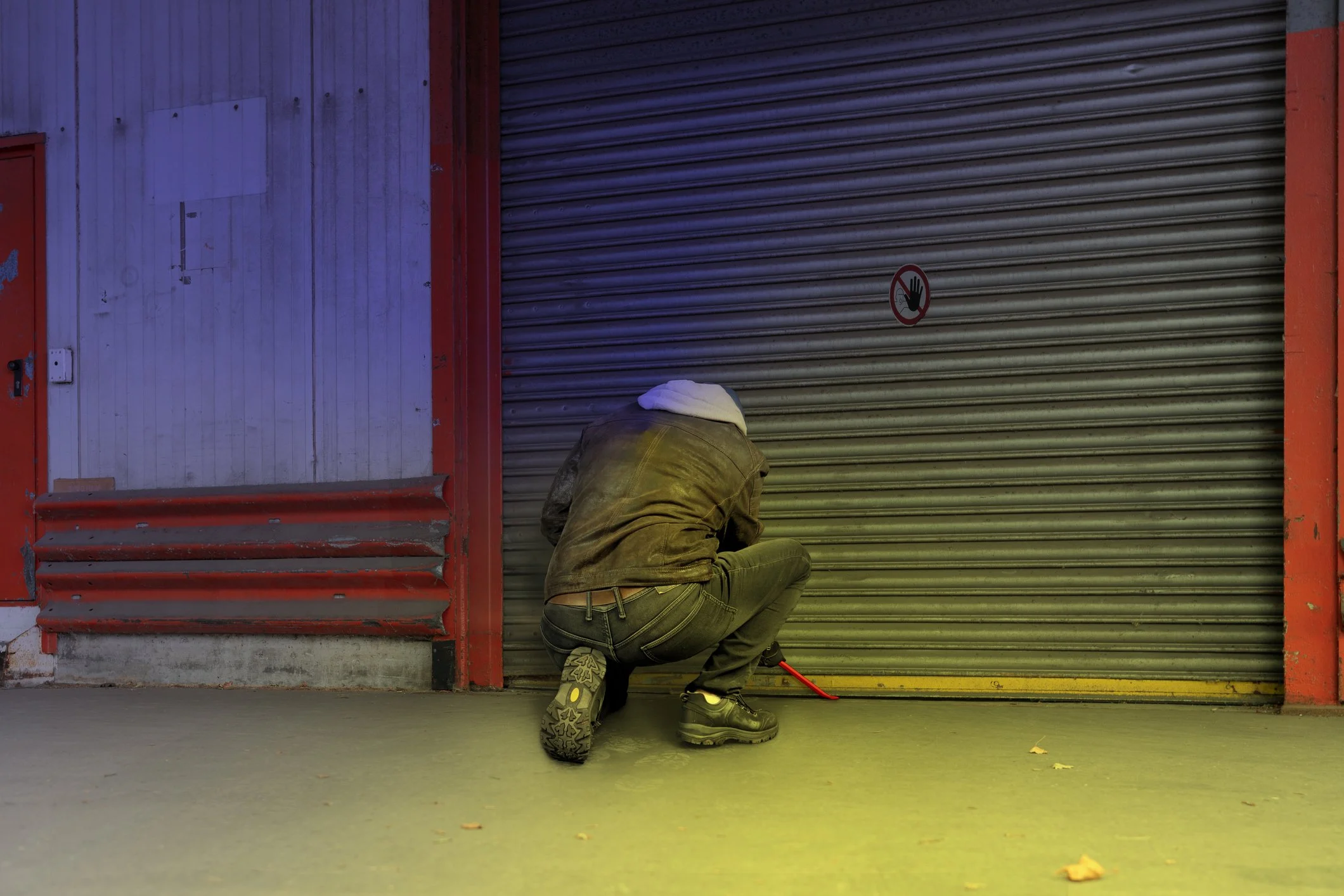
Late on a Saturday afternoon, thieves arrived at a commercial storage yard.
They forced the site gates open and took their time looking around. What caught their eye were several vehicle trailers stored inside the yard.
A few hours later, under the cover of darkness and better equipped, they returned and stole them.
No alarms. No alerts. No phone calls.
The customer’s team arrived early on Monday morning to start the week and found the gates wide open and the trailers gone. Jobs were delayed. The team was unsettled. No one knew what had happened over the entire weekend.
That’s when the customer called me.
Their request was simple and reasonable:
“We need to upgrade our CCTV. The cameras are old and can’t clearly identify number plates or the offenders.”
On the surface, that makes sense.
But here’s the uncomfortable question I asked them: What would you actually do with the footage?
Watch the incident back after the fact? Hand it over to police and wait? Often only to hear that the vehicle had stolen plates, the offender is already known, or there simply aren’t the resources to pursue it.
CCTV on its own — even good CCTV — is still reactive.
Relying on standalone cameras is a bit like hiring a security guard, locking them in the guard house, and taking away their radio. They can see everything that’s happening, but they can’t act. They’re completely useless until Monday morning, when you unlock the door and hear the story.
Upgrading to higher-resolution cameras, more megapixels, and AI analytics is like giving that guard better training, better eyesight, and better tools… and then locking them back in the room anyway.
The problem isn’t the cameras.
The problem is no one is watching them when it matters.
The smarter approach: get proactive
Instead of reacting after an incident, the real shift happens when CCTV is integrated with a monitoring control room and supported by motion detection or intrusion sensors.
Now that same “security guard” is on patrol.
Any movement outside of hours triggers an alert.
The control room sees what’s happening in real time.
They can take immediate action — notifying key stakeholders, dispatching security patrols, or contacting police while the incident is unfolding.
In this case, the forced entry at the gates on Saturday afternoon would have triggered an alert straight away. The breach could have been dealt with immediately. The gates secured again. The theft prevented entirely.
And the team would have arrived on Monday morning none the wiser.
So before making a knee-jerk decision to upgrade what you already have after an incident, take a step back.
Better cameras don’t stop crime on their own.
Proactive monitoring does.
If you want to talk about how to turn your existing CCTV into an active security system — not just a recording device — give us a call before the next Monday morning surprise.