
Why Every Warehouse Door Should Have Layered Protection
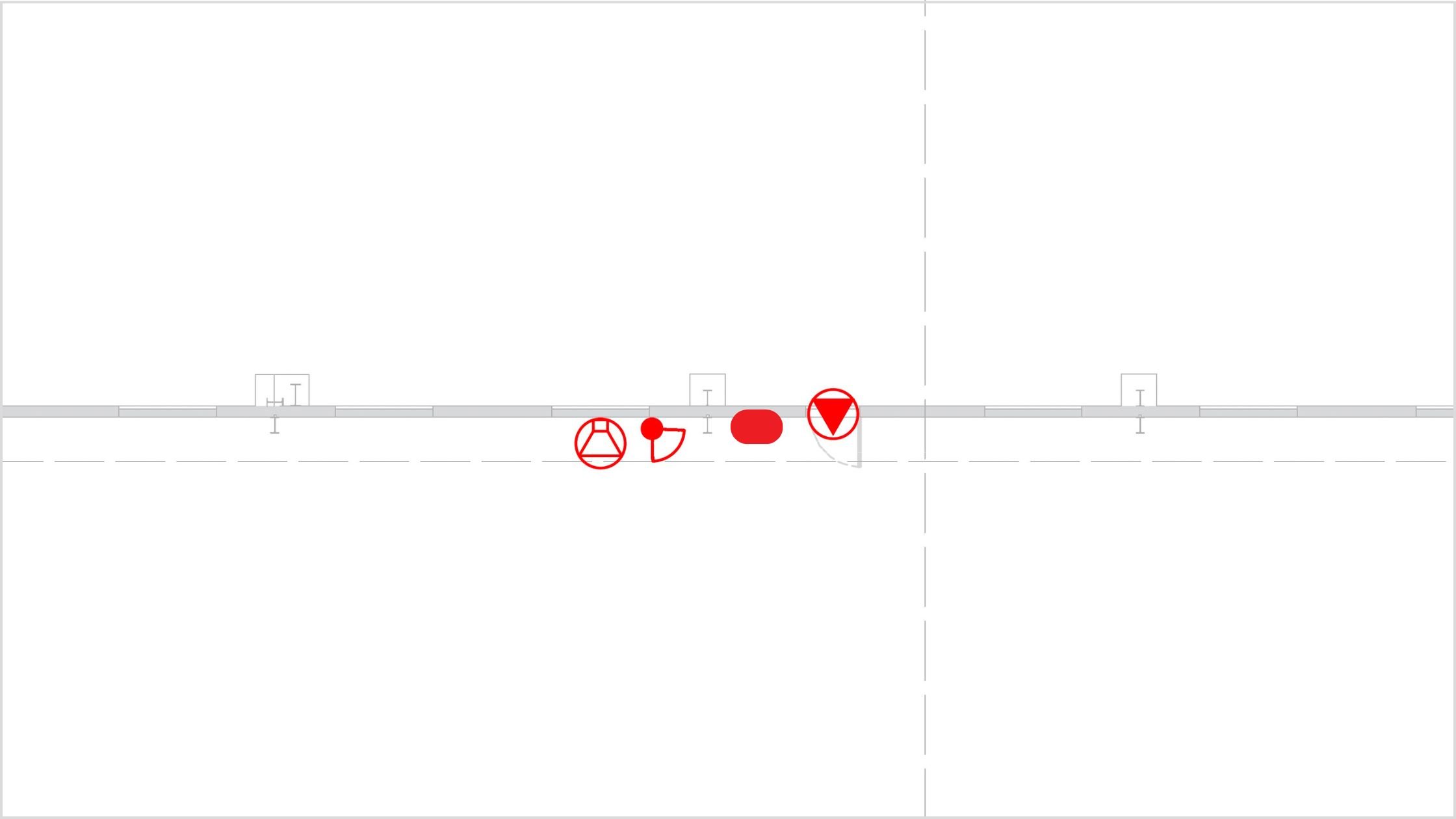
In warehouse and industrial environments, perimeter doors are one of the most common — and most overlooked — points of vulnerability.
Particularly PA doors and fire exits.
They’re used frequently, often left unsecured during busy periods, and rarely monitored properly. Yet they present a direct pathway in and out of the building.
What we’ve found over time is that effective protection doesn’t come from complex systems — it comes from the right combination of simple, well-placed devices working together.
A Practical, Proven Setup
We regularly install the following combination on warehouse doors:
Concealed reed switch to monitor door position
Dual-technology motion sensor positioned internally facing the door
Audible warning indicator or internal siren
Each device serves a specific purpose.
But it’s how they work together that makes the system effective.
Layer 1: Knowing When a Door Opens
The reed switch is the first line of defence.
It ensures the door remains closed and secured, generating an alert if the door is opened when it shouldn’t be.
On its own, this is useful — but not enough.
Warehouse environments are dynamic. Doors open for legitimate reasons all the time. Without context, a door alarm can quickly become background noise.
Layer 2: Confirming Real Activity
This is where the motion sensor comes in.
Positioned internally and facing the door, it provides a second layer of verification. When the door opens and motion is detected, you now have a confirmed entry event.
This “double knock” approach is critical:
Door opens + no motion = likely operational use
Door opens + motion = genuine activity requiring attention
It removes the uncertainty that often leads to missed alarms or delayed responses.
Layer 3: Immediate Deterrence and Awareness
The internal siren or warning indicator plays a different role.
It’s not just about noise — it’s about behaviour.
When triggered, it:
Immediately alerts an intruder that their presence has been detected
Creates pressure to leave before gaining access further into the site
Draws attention to the door during operational hours
In many cases, this alone is enough to stop an incident before it escalates.
Not All Threats Come From Outside
One of the biggest misconceptions in warehouse security is that risk is primarily external.
In reality, internal vulnerabilities are often just as significant.
We recently worked with a client who had no monitoring on their warehouse doors. Over time, they experienced ongoing stock loss — with no signs of forced entry.
The issue was eventually identified:
Stock was being placed near a fire exit during the day and removed later, after hours.
No alarms. No visibility. No way to track when or how it was happening.
This is a common pattern — and one that simple door monitoring would have exposed immediately.
Designed for Real-World Use
The strength of this approach is not in the individual components, but in how they reflect real-world behaviour.
Warehouse doors will always be used.
People will always take shortcuts.
And systems that rely on perfect human behaviour will always fail.
Layered protection acknowledges this.
It provides:
Visibility of door activity
Confidence in alarm events
Immediate deterrence when something isn’t right
Without adding unnecessary complexity.
Simple Done Well
Effective security isn’t about adding more technology.
It’s about applying the right technology, in the right place, with a clear understanding of how a site actually operates.
This combination — reed switch, motion detection, and audible alerting — is simple.
But when implemented properly, it closes one of the most common gaps we see across warehouse environments.