
Security Doesn't Clock Off. Your Staff Do
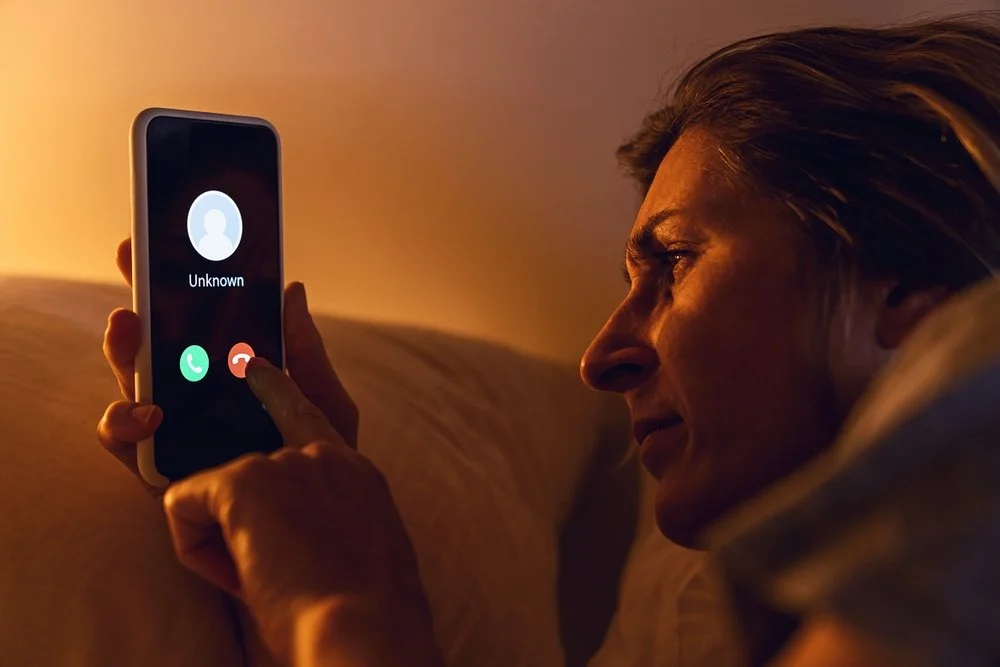
You've invested in a quality security system. Cameras, access control, monitored alarm — the works. But here's the question most businesses don't ask until it's too late: who's actually responsible for it once it's installed?
In most commercial and industrial businesses, it's not the owner. It's the operations manager, the facilities manager, the warehouse manager, or someone from IT — whoever took ownership of the security brief as part of a broader infrastructure role. They oversaw the installation. They were there at handover. And somewhere along the way, their name ended up on the control room's contact list.
That's where the problem starts.
The contact list nobody reviews
When your monitored alarm activates at 2am, the control room works through a contact list. In theory, someone picks up, makes a call, and the situation gets handled. In practice, it often looks more like this:
The person on the list doesn't recognise the number and screens the call. Or they answer, but they're not sure whether to attend site, call the police, or stand down the alarm — because no one ever documented what they're supposed to do. Or they're no longer even with the business. Staff move on, roles change, and contact lists rarely get updated to reflect it.
Then there's a newer wrinkle. Under Australia's right to disconnect laws — in effect since August 2024 for most businesses — employees have legal grounds to refuse contact from third parties, including monitoring centres, outside working hours. Nominating a staff member as your out-of-hours security contact without a formal arrangement is no longer straightforward. Whether a refusal is reasonable depends on circumstances, but the question is worth asking before you're in the middle of an incident.
None of this is anyone's fault. It's just what happens when the hard work of installing a security system isn't matched by the same thought going into how it gets managed.
The better answer: take the human out of the loop
Policies and procedures help. Keeping your contact list current helps. But the more durable solution is to reduce your reliance on a staff member being available, alert, and ready to make good decisions at 2am in the first place.
This is where video verification changes the picture.
Rather than the control room triggering a phone chain when an alarm activates, video verification allows the operator to see exactly what's happening on site in real time. Is someone moving through the warehouse, or did a door sensor trip in the wind? Is there a vehicle that shouldn't be there, or is it a regular contractor finishing late?
With that visibility, the control room can make the call — stand down a false alarm without waking anyone, or escalate directly to emergency services if there's a genuine intrusion in progress. They can coordinate with a security response team for site attendance. They can log the event with footage already attached. And they can conduct routine remote checks of the site, giving you a layer of active oversight that doesn't depend on anyone's phone being on.
It doesn't eliminate the need for a clear internal process entirely — someone still needs to be reachable for major incidents, and your contact list still needs to be current. But it means that list is a last resort rather than the first line of response.
Worth a conversation
If you're not sure how your current setup handles an after-hours event — or if "video verification" isn't something you've heard of before — we're happy to walk you through how it works and whether it makes sense for your site.
Security that's installed but not managed isn't really doing its job. Let's make sure yours is.